FREMONT COMMUNITY THERAPY PROJECT
Our therapists
Advanced doctoral trainees in clinical psychology provide psychotherapy and psychological assessment working under the supervision of Dr. Brown and other licensed psychologists. The staff therapists bring expertise in the treatment of trauma survivors, working with people with health and illness concerns, and with issues of gender, culture, spirituality and sexuality to our practice.
Bryce Doehne
Bryce is a doctoral student in clinical psychology at Antioch University Seattle. He uses an integrative approach to therapy, supported by common factors research, focusing on the therapeutic relationship, collaboration, and empowerment. His approach is informed by both critical theory and feminist therapy theory. Bryce’s past experience includes practicum training at Deaconess Children’s Services, the Alliance for People with Disabilities, and the Recovery Café. He is also a DBT skills facilitator, a therapist at the Antioch Community Counseling Clinic, and a graduate assistant providing student veteran support services. Bryce’s particular areas of interest are trauma-related stress injuries, organizational trauma, all veteran and military related issues, and exploring distress resulting from imposed moral, social, and political values. He is a consultant to the DBT skills training team at FCTP.
Jeffrey Grant, M.A., LMHC
Jeff is a doctoral student in clinical psychology at Pacifica Graduate Institute in Santa Barbara, CA. He primarily uses an existential-humanistic and ecletic approach to psychotherapy, emphasizing honesty, insight, and collaboration in the context of the therapeutic relationship. Jeff's clinical experiences include assessment training at Fairfax Hospital in Kirkland, psychotherapeutic work with children and families at Ryther, and private practice psychotherapy with adults, children, and families in Seattle. Jeff's specific areas of interest include the interpersonal dimensions of psychotherapy, the sociocultural and political factors that impact psychotherapeutic practice, projective and objective personality assessment.
Anna-Brown Griswold, M.A., LMHCA
Anna-Brown is a doctoral student in clinical psychology at Antioch University Seattle. She uses an integrative approach to psychotherapy grounded in attachment theory, mindfulness, emotion research, feminist therapy, and cognitive behavioral therapy. She has training in therapies that work with the long-term effects of childhood abuse and trauma, including schema therapy and dialectical behavioral therapy. With experience an array of approaches to psychotherapy, she collaborates with clients to tailor treatment to their individual needs and world view. Anna-Brown has worked with adults in a variety of settings, including the Recovery Cafe, Navos mental health solutions, and the Antioch Community Counseling and Psychology Clinic. Her particular areas of interest are interpersonal trauma, resilience, social justice, and the intersection of individual psychologies with larger social, political, and cultural systems.
Carmen Lasby, M.A. LMHCA
Carmen is a doctoral candidate in counseling psychology at Northwest University. She uses an integrative approach to meet the individual needs of each person and operates out of a trauma lens. She is intentional about being person-centered in order to offer a non-judgmental and empathetic atmosphere so that clients feel safe and cared for. She has training in Lifespan Integration, a mind-body approach to clear trauma. She also utilizes various relaxation and mindfulness techniques to enhance emotional safety and inner peace. Carmen’s experience includes working with homeless individuals and families, those in recovery from substance use, women coming out of domestic violence, and children who have experienced or witnessed great trauma. Her particular interests include trauma, dissociation, social justice, and empowerment.
Amy Plumb, M.A., LMHC
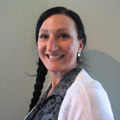
Amy is a doctoral student in counseling psychology at Argosy University and earned her master’s degree in counseling psychology in 2011. She works from a cognitive-behavioral framework, integrating mindfulness and a strengths-based approach to treatment. She works with each person to help them develop a personalized recovery plan and goals for treatment utilizing the ten principles of the recovery model and she believes that treatment should be directed by the client. She works with each person to identify individual strengths and helps the client to build upon the skills that she or he already has within, while helping each person learn new ways of being in the world. Amy has worked in community mental health since 2008 and previous experience includes three years as a residential counselor for adults with severe and persistent mental illness and one year as a therapist in an adult outpatient setting. Amy has worked as a chemical dependency counselor for adults who have both a mental health disorder and a substance abuse disorder since January 2012. She has experience working with people who have complex trauma issues and has worked with people who have experienced family of origin issues, sexual assault, and domestic violence. She has worked with a wide variety of issues including depression, anxiety, posttraumatic stress disorder, substance use disorder, and has helped people who are struggling with finding meaning and purpose in their lives. Amy has extensive experience with group therapy and treatment and has facilitated life skills groups, relationship skills groups, women’s support groups, substance abuse and recovery groups, mindfulness groups, and has been co-facilitating a Seeking Safety group for women who have posttraumatic stress disorder and a substance use disorder for over a year. She is a co-facilitator for DBT at FCTP.
Gina Scarsella, M.A. LMHCA
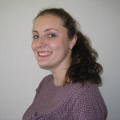
Gina is currently a doctoral student at Seattle Pacific University. She appreciates an integrative approach to therapy in order to allow for flexibility in treatment and collaboration with her clients; however, her approach is largely rooted in psychodynamic theory, positive psychology, and contemporary cognitive behavioral therapies. Gina's experience thus far includes a year-long practicum at the Washington Corrections Center for Women in Gig Harbor, WA, working with women in individual therapy and group treatment for anxiety, trauma, depression, and severe mental illness. There, she has had the opportunity to work in both inpatient and outpatient settings. She also has experience volunteering at an organization that works with young adult women who have been involved in the life of sex trafficking, and she plans to do her dissertation with these women. Gina is also currently involved in a research team at Seattle Pacific University and is in the process of starting up transdiagnostic treatment groups for anxiety and depression.
Erin Siebert, M.A. LMHCA
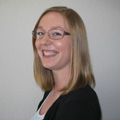
Erin is a doctoral student in her fourth year at Seattle Pacific University. She works with adults using an integrative approach to treatment, primarily utilizing cognitive behavioral therapy. She believes that a collaborative approach is necessary to meet the unique needs of each client. Erin’s prior experience includes a year-long practicum at the Washington Corrections Center for Women in Gig Harbor, WA, providing trauma-informed inpatient and outpatient psychotherapy services. She also conducted psychological assessments at the Department of Social and Health Services in Seattle. She currently conducts in-school substance use interventions with adolescents in the greater Seattle-area school districts. Her clinical focus is to assist in the healing of those who have experienced trauma, working with those individuals who are justice-involved, and with those with substance use concerns.
Joanne Sparrow, M.S., M.A, LMHCA

Joanne is a doctoral student in clinical psychology at Seattle Pacific University. She received an M.A. degree in clinical psychology from SPU 2011 and an M.S. degree in clinical and counseling psychology from San Jose State University in 1995. She worked as a marriage and family therapy intern at a community mental health agency for a number of years, providing services to individuals, couples and families presenting with various challenges including mood disorders, substance abuse issues, unresolved grief and trauma issues, parenting concerns and intellectual disabilities. She also has experience working in early intervention with children (ages birth to three) born with a developmental disability. Joanne works from a client-centered, strengths-based perspective; her therapeutic interventions are grounded in attachment theory and are guided by feminist theory, cognitive behavioral theory and sensitivity to spiritual and multicultural issues. In addition to her clinical training, Joanne has extensive experience in the administration and interpretation of a wide variety of neuropsychological assessments. Her clinical and research interests included working with pregnant and parenting women in recovery and with individuals diagnosed with fetal alcohol spectrum disorders (FASDs). Joanne is also interested in exploring Buddhist approaches to psychotherapy and supporting the healing process through the practice of compassion, mindfulness and radical acceptance. She is a consultant to the DBT program.
Post-Doctoral Fellows
Tracy C. Bryan, Psy.D.
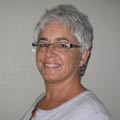
Tracy received her doctorate in clinical psychology from the Washington School of Professional Psychology, Argosy University, Seattle. She works from a collaborative, integrative approach based in feminist theory that combines attachment theory and relational and narrative therapies with a focus on empowering her clients toward better ways of being with themselves, others, and their larger worlds. Previous experience includes providing individual short-term psychotherapy at a university counseling center to students with transitional, sexual, and relationship concerns; working at a community mental health center with low-income and disabled women challenged by complex posttraumatic stress disorder; and facilitated DBT skills groups for one year. Tracy also served as FCTP’s Intake Coordinator for two years.
Kathleen King, Ph.D.
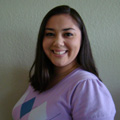
Kathleen received her doctorate in clinical psychology from Seattle Pacifici University after completing an internship at FCTP. She utilizes an integrative approach to psychotherapy that is tailored to each client’s needs, goals, strengths, and worldviews. Her approach is largely influenced by cognitive-behavioral, interpersonal, ecological systems, and solution-focused therapies. Kathleen’s previous experiences include working in community mental health and medical settings, where she provided individual, couples, and group therapy. The foci of the various groups she has facilitated include women’s support, substance abuse, healthy relationships, self-efficacy, and parenting. She has facilitated Dialectical Behavior Therapy (DBT) skills groups at FCTP. Kathleen has experience conducting full battery psychological assessments on children, adolescents, and adults. Among her clinical interests are working with people on the autism spectrum. She is trained in Eye Movement Desensitization and Reprocessing (EMDR).
Marta Miranda, Psy.D.
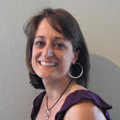
Marta Miranda is a graduate of the doctoral program in Clinical Psychology at the George Washington University (GWU) in Washington, D.C. Her experience includes training at the Salvation Army’s Harbor Light Center in Washington, D.C., where she provided individual therapy, group therapy, and assessment services for dually-diagnosed adults with mental illness and substance abuse problems. She also conducted psychological assessments for immigrants filing for legal status in the U.S., including victims of domestic violence and torture. In addition, she worked as a therapist at the GWU Center Clinic, providing individual therapy for individuals with major depressive disorder and anxiety disorders. She operates from a predominantly psychodynamic approach, which means she is interested in issues related to a client’s family of origin and the underlying dynamics behind what maintains unhealthy patterns of being in the present. She also integrates other approaches, such as Dialectical Behavior Therapy (DBT), Cognitive Behavior Therapy (CBT), and client-centered therapy in her work, depending upon the needs of each client. Her particular interests are working with immigrants, helping adults heal from childhood trauma, and empowering my clients to find their voices within the dominant cultures that surround them. She is the co-director of the FCTP assessment training lab, and has a private practice in Fremont. She is fluent in Spanish and Portugese, and has offered art therapy groups for trauma survivors.
Tara Reagan, Psy.D.
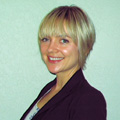
Tara utilizes an integrative approach to psychotherapy that is informed by psychodynamic, experiential, and attachment theories. Her approach is highly collaborative, with careful attention given to aspects of client history and perspective that can inform the therapeutic work. Tara has experience providing individual and group therapy to those struggling with anxiety, depression, relationship issues, and difficulty regulating intense emotions. Her previous training has included therapy with individuals recovering from substance abuse and brain injury as well as those who have endured trauma and discrimination in personal and professional environments. Tara has extensive experience with neuropsychological, cognitive, personality, and academic assessments. Her personal interests include the use of creative methods, such as art and music, as tools of expression and healing.
Psychiatric Mental Health Nurse Practitioner
Kay Crampton M.S. ARNP
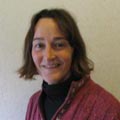
Kay Crampton has been studying and practicing in the mental health field for many years. first as a psychiatric RN, then as a Psychiatric/Mental Health Nurse Practitioner. Her main emphasis is to help clients incorporate a variety of treatments, including self care measures, therapy and medicines to treat health problems in a holistic way. She has worked with clients who have a wide variety of physical and mental health problems. She frequently helps clients sort through available information to make safe treatment choices and strives to keep the number of psychoactive medicines to the minimum required to treat difficult symptoms. Individuals seeking medication from Kay must be currently in psychotherapy at FCTP.
Assistant Director
Mo Brown, Psy.D.
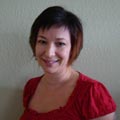
Mo is a licensed psychologist who received her doctorate in clinical psychology from Antioch University Seattle after completing internship at FCTP. She utilizes an integrative approach to therapy which focuses on each individual client’s needs and strengths. She incorporates principals from systems, attachment, and relational theories, as well as social neuroscience. Her prior experiences include providing individual, couples, and family psychotherapy and a variety of assessments, including neurocognitive and parenting-related evaluations. Mo also worked through DSHS providing family therapy for families in crisis, and has also worked at a juvenile prison and as a high school teacher. She has a particular interest in working with survivors of complex trauma and people living with dissociation, and is a primary consultant on assesssment to the FCTP staff. Mo is trained in EMDR and has been a facilitator of DBT Skills groups.She is also a Certified Parenting Evaluator.
Clinic Director
Laura S. Brown, Ph.D. ABPP
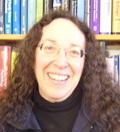
Laura is a clinical and forensic psychologist and the Director of FCTP. She writes, trains, and speaks on feminist therapy theory and practice, trauma and memory, diversity, and psychological assessment. Dr. Brown also has an independent practice where she specializes in working with survivors of trauma. Please visit Laura's website for more detailed information about her work.